Democrats swept the midterms. Here's why Trump's tariffs won't end anytime soon
Democrats took back both chambers of Congress in the November 3 U.S. midterms, and exit polls show deep discontent over tariffs. That does not mean the tariffs will end soon. We looked at what it means for Japan and checked the claims of fraud spreading on X in the United States.
Verdict: are the viral claims true?
- True“Democrats took back control of both chambers of Congress”In the AP tally as of November 7, Democrats held 54 Senate seats to the Republicans' 44, with two undecided, and 254 House seats to 162, with 19 undecided. Both are majorities.
- Misleading“Trump's tariffs will end because Democrats won”Democrats list repealing the tariffs among their priorities, but a law needs the president's signature. Overriding a veto takes two-thirds of both chambers, and Bloomberg estimates that would require some 13 Republican senators and almost 50 Republican House members.
- False“A uniform "15% formula" switched votes to Democrats nationwide”Lead Stories checked the formula against actual results and found that only a few states came close, with the rest varying in both directions. No evidence of vote-switching has been presented.
- Misleading“Republican votes stayed flat while Democrats gained 20 million, which proves fraud”The viral chart used projections from a partial count, and Newsweek says the posts offered no evidence of fraud. Vice President Vance himself says the main problem was not turnout but that many 2024 Trump voters backed Democrats.
Translated and adapted from our Japanese original. Facts are as of the original publication date unless noted.
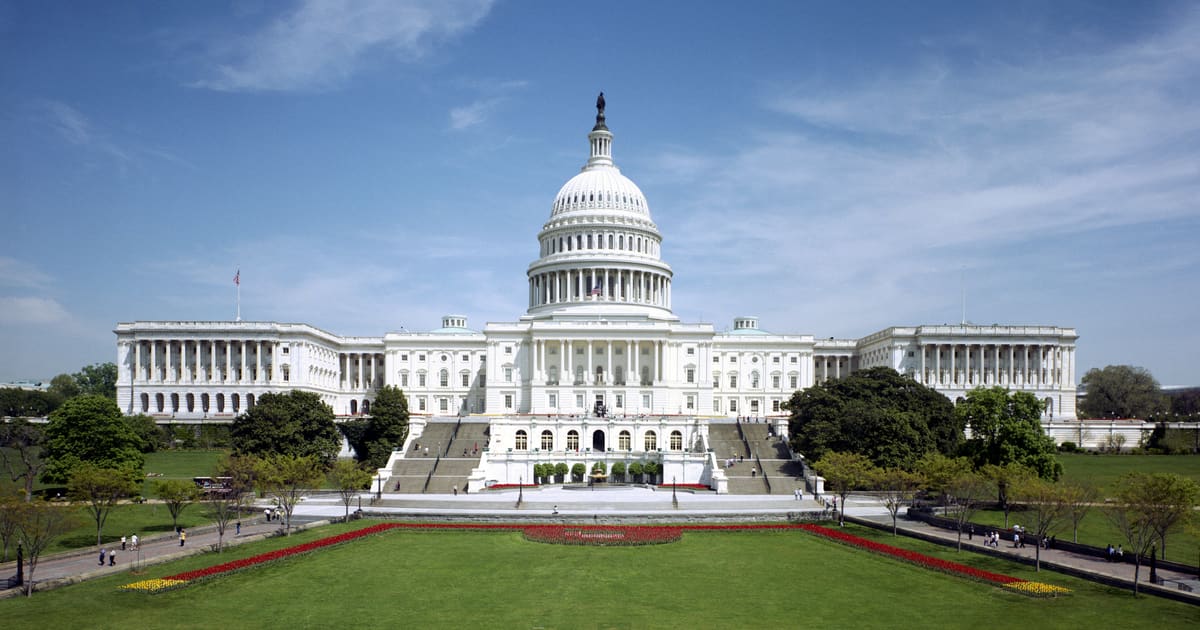
Will Democrats' sweep lower Trump's tariffs on Japan?
- Senate (AP, Nov. 7)
- D 54, R 44
- House (AP, Nov. 7)
- D 254, R 162
- Japan's U.S. investment pledge
- Up to $550 billion
Democrats' win can put limits on Trump
Congressional investigations and pressure can put some limits on tariffs and the Iran war
No reason for optimism yet
Tariffs rest largely on presidential discretion, and the veto means little will change quickly
- Both sides agree
- Current tariff levels should be expected to continue for now
- What to watch next
- How legislation to reclaim tariff authority fares in the new Congress starting in January
Key points
- Democrats took back both chambers on November 3. In the Senate they rose from 47 seats to 54, and in the House to 254 (AP, as of November 7).
- In a Fox News voter poll, about two-thirds said Trump's tariffs hurt the national economy. But stopping them by law runs into the presidential veto.
- Japan's government plans to continue its investment pledge of up to $550 billion.
- On X in the U.S., posts alleging fraud have drawn tens of thousands of likes. Vice President Vance, however, says turnout was not why Republicans lost.
1. What is happening
Democrats retake both chambers
In the November 3 midterms, Democrats took back majorities in both chambers of Congress. In the AP tally as of November 7, the Senate stood at 54 Democrats to 44 Republicans, with Mississippi and Alaska undecided. The House stood at 254 to 162, with 19 seats undecided. Before the election, Republicans led the Senate 53-47 and the House 219-214.
Democrats won Senate seats even in Republican strongholds such as Texas, Kansas and South Carolina. Republican Sen. Ted Cruz called it a “blue tsunami.”
What were voters angry about?
In the NBC News exit poll, 75% said the economy was in rough shape and 65% said Trump’s policies had made it worse. Trump’s approval stood at 38%, and 43% said opposing Trump was one reason for their vote. Some 63% said military action against Iran was the wrong decision.
In the Fox News voter poll, about two-thirds said Trump’s tariffs hurt the national economy.
Explanations for the loss differ. Vice President JD Vance wrote on X that the real reason was “the war.” The libertarian magazine Reason argued that tariffs were a major factor too. Senate Democratic leader Chuck Schumer said voters cared about “cost and corruption,” and Trump posted that Fox News “bears responsibility for these losses.”
Why people expect tariffs to end, and what stands in the way
If voters unhappy with tariffs backed Democrats, it is natural to expect the tariffs to end. Democrats do list repealing them among their priorities, and even some Republicans, like Cruz, say “tariffs have made everything too expensive.”
But a law needs the president’s signature. The day after the election, Trump posted an image of a hat reading “VETO.” Overriding a veto takes two-thirds of both chambers. Bloomberg estimates that even with every Democrat on board, it would take some 13 Republican senators and almost 50 Republican House members.
JETRO says Japanese companies should assume current tariff levels for now. Bloomberg also reports that the administration could announce new duties hitting more than a dozen economies before the new Congress begins. Whether Japan would be included is not yet known.
What it means for Japan
According to Jiji Press, Japan’s government plans to continue its investment pledge of up to $550 billion (about ¥87 trillion), because the high tariffs rest on executive orders and the president’s powers have not changed. Industry Minister Ryosei Akazawa has stressed that the Japan-U.S. deal cut the annual tariff burden by more than ¥2 trillion.
In a pre-election analysis, Takahide Kiuchi of Nomura Research Institute said a Democratic win could limit tariffs somewhat but also push the dollar up against the yen and raise prices in Japan. In other words, there are both upsides and downsides.
What people are saying on X in the U.S.
Looking at English-language posts on X after Election Day, three main threads stood out.
One is Republican self-criticism. An angry post saying the party was thoroughly beaten and that its leaders still do not understand why drew more than 20,000 likes.
The second is Democratic elation, with “blue tsunami” jokes drawing tens of thousands of likes.
The third is the claim that the election was rigged.
The “85/15 algorithm”
One of the most widely shared claims says that Republican vote shares in 2026 were 85% of Trump’s 2024 share in every state, with the other 15% moving to Democrats, proving that votes were switched by an algorithm. A post promoting this and saying “AI confirms” it drew more than 30,000 likes.
The Gateway Pundit reports that Trump shared a post about this on Truth Social.
Lead Stories compared the formula with actual results. Only a few states won by Republicans came close, and the rest varied in both directions. In Maine, the Republican candidate actually did better than Trump’s 2024 share. It also noted that the original graph’s stretched layout made the lines look closer together.
Why “20 million more votes” caught on
Another claim says it makes no sense that Republican votes held steady from 2022 while Democrats gained about 20 million, and calls for an audit. One such post drew more than 25,000 likes, and Trump has shared a post along the same lines.
There is a reason people find this puzzling: losing by a wide margin while not losing votes does look strange at first glance.
But the numbers in the viral chart were projections from a partial count. Newsweek says the shared posts offered no evidence of fraud or inaccuracy. Turnout was also very high this year. The Washington Post reported that it was the second-highest midterm turnout in more than a century.
The clearest explanation comes from the Republican side. Vance wrote on X: “The main problem is not turnout. The main problem is that many people who voted for Trump/Vance in 2024 voted for Democrats in 2026.”
Trump accepts the result, and questions it
After Election Day, Trump told The New York Times, “I am absolutely willing to accept those results,” and told Fox News that Democrats “did a good job.” Days later, Trump shared posts questioning the results. According to Newsweek, Trump has not said the results were fraudulent or that they are no longer accepted.
NewsGuard had identified 58 false claims about the midterms as of November 6. Of those, 26 concerned election fraud, and X accounted for 65% of confirmed instances. Some posts even called for martial law to overturn the results.
Surprise at such a wide margin is understandable. But as far as we could confirm, what explains it is not switched votes. It is Trump’s own 2024 voters turning away.
Sources (mostly in Japanese)
2. What each side says
We summarize each side's main arguments in our own words, based on the original statements and reporting.
Democrats' win can put limits on Trump
House Democratic leader Hakeem Jeffries promises to stop what Jeffries calls the "stupid Trump tariffs." Sen. Ron Wyden, the incoming Finance Committee chair, says Congress will reassert its authority over trade policy.
Senate Democratic leader Chuck Schumer acknowledges the veto but expects good Republican support. Republican Sen. Ted Cruz has also said that "tariffs have made everything too expensive."
In a pre-election analysis, Takahide Kiuchi of Nomura Research Institute said a Democratic win could put some limits on tariffs and the Iran war.
No reason for optimism yet
JETRO says diplomacy and trade rest largely on presidential discretion, that existing added tariffs are unlikely to be withdrawn, and that Japanese companies should assume current levels for now.
Japan's government plans to continue its investment pledge of up to $550 billion because the high tariffs rest on executive orders and the president keeps that authority.
Kiuchi also warned that lower fiscal risk under a divided government could push the dollar up against the yen and raise prices in Japan. Bloomberg reports the Trump administration could announce new duties tied to excess industrial capacity before January.
Posts on X
JD Vance, U.S. Vice President: Nov. 4 post saying the main problem was not turnout but that many 2024 Trump/Vance voters voted for Democrats in 2026
View the post by JD Vance, U.S. Vice President on X ↗
3. Where things stand
Where they agree
- Democrats won majorities in both chambers.
- Discontent over prices and tariffs was a major issue in this election.
- Current tariffs are likely to continue for now.
Where they disagree
- Whether the Iran war or prices and tariffs was the main reason Republicans lost.
- How far Congress can actually limit the president's tariffs.
- Whether a Democratic win is good for Japan.
What to watch
- The outcome of the Mississippi and Alaska Senate races and the remaining House races.
- Whether legislation to reclaim tariff authority passes in the new Congress starting in January.
- Whether the Trump administration announces new tariffs and whether Japan is included.
The Democratic sweep shows deep voter discontent over prices, tariffs and the Iran war. But a new Congress does not take away the president's tariff powers, and little will change quickly for Japan. The fraud claims spreading on X have not come with evidence, as far as we could confirm. Still, surprise at the size of the margin is what gives them traction.
4. What happened next
Updates added after this article was published.
Democrats take the last two Senate seats for a 56-44 majority
Democrats won both remaining Senate races. In Mississippi, Democrat Scott Colom defeated Republican Sen. Cindy Hyde-Smith by about 8,000 votes. In Alaska, Democrat Mary Peltola beat Republican Sen. Dan Sullivan with 50.1% of the vote, according to AP, winning without a ranked-choice tabulation. That gives Democrats a 56-44 Senate majority. In the House, Democrats have won 257 seats, with five races still unresolved as of November 20. Democrats still fall short of the two-thirds (67 seats) needed to override a presidential veto in the Senate, so at least 11 Republicans would have to join them. Republicans also keep enough seats to filibuster most bills. Ending the tariffs quickly remains difficult.